

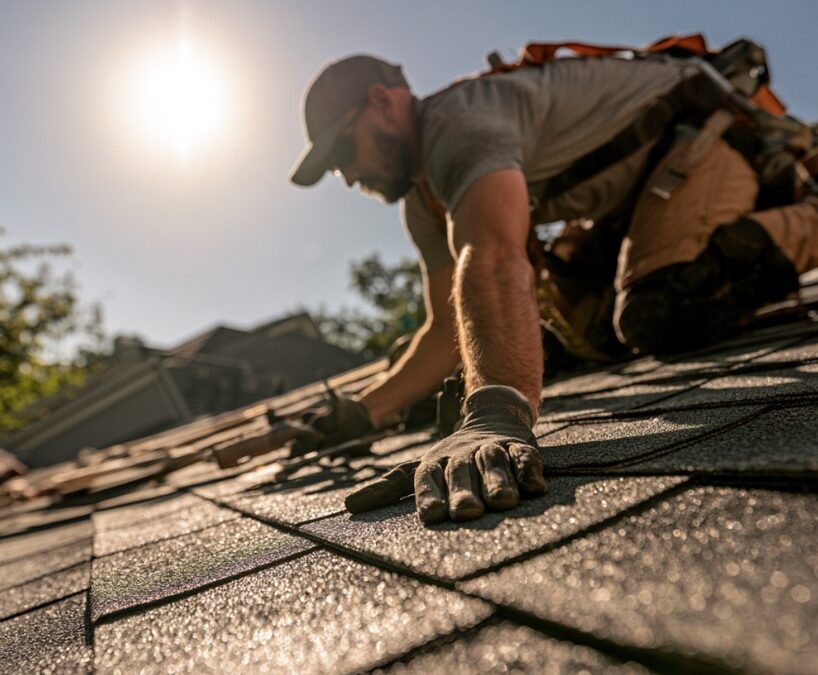
Do you know what your roof needs before spring comes?
Highlands Ranch sits at the edge of the Front Range foothills, which means winter doesn’t let go all at once. Roofs here spend months cycling between daytime melt and overnight refreeze. By the time the snow finally clears in March, a roof that looked fine in November may be hiding real damage. A spring inspection is the cheapest way to find out before a spring hailstorm or a heavy spring snow turns a small issue into a bigger repair.
In this article, we’ve created a checklist you can reference to make sure your roof and home is well taken care of. This checklist covers what actually matters for a Highlands Ranch roof after a Colorado winter, and when it’s worth calling in a professional versus handling it yourself.
Why Spring Is the Right Time to Inspect a Highlands Ranch Roof
Highlands Ranch’s higher elevation means roofs go through more freeze-thaw cycles than homes closer to central Denver. On warmer afternoons, water can slip under a shingle or through a small gap in the flashing. When temperatures drop at night, that water freezes and expands. This can turn a small roofing issue into a much bigger problem by spring, even without a major winter storm.
Spring is also a good time to check your roof before Colorado’s hail season picks up in late spring and early summer. If your roof already has weak spots, hail can make the damage worse. Getting it checked early can help you catch those problems before the next storm rolls through.
1. Check for Granule Loss and Shingle Wear
Winter wind and ice can knock protective granules loose from asphalt shingles, especially on a roof that’s already a few years old. Look for bald or discolored patches on the shingle surface, and check gutters and downspouts for granules that have washed off and collected there. Granule loss exposes the shingle’s asphalt layer to UV damage it wasn’t designed to take on its own, and it accelerates aging on the rest of the roof.
2. Inspect Flashing Around Chimneys, Vents, and Skylights
Flashing is one of the most common places a winter leak starts, since the metal and the surrounding roofing material expand and contract at different rates through repeated freeze-thaw cycles. Look for lifted edges, visible gaps, or rust, particularly around any chimney or skylight. A flashing issue that’s caught in spring is usually a straightforward, inexpensive repair; left through another winter, it often turns into an interior leak.
3. Look for Ice Dam Damage at the Eaves
Ice dams start to form when heat escaping from the attic melts snow on the upper roof, and that meltwater refreezes once it reaches the colder eaves. After the winter months, a dam can back water up under the shingles instead of letting it drain off the edge. Signs to look for in spring include water stains on interior ceilings near exterior walls, shingles that look lifted on the roof and along the lower roof edge, or gutters that pulled away from the fascia under the weight of ice.
4. Clear and Inspect Gutters and Downspouts
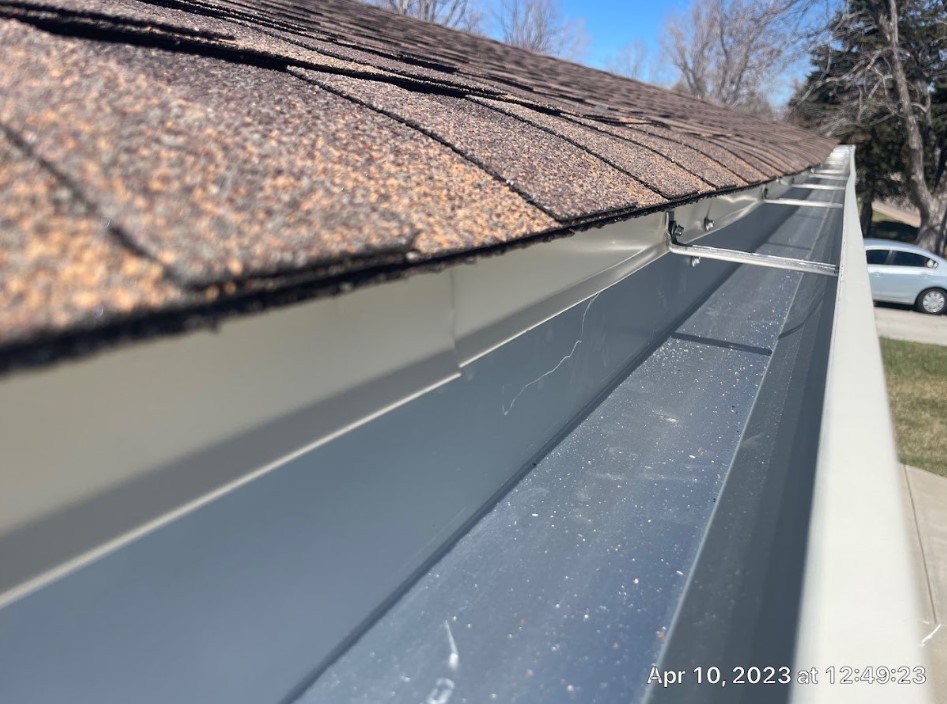
Winter debris, ice, and any granule loss from the roof itself can leave gutters clogged heading into spring’s heavier rain. A clean, properly functioning gutter system is one of the simplest ways to keep water moving away from the roofline and the foundation instead of backing up under the shingles. Check that downspouts direct water at least a few feet from the foundation, and look for sections that have pulled loose from the fascia.
5. Check the Attic for Signs of a Winter Leak
Not every leak shows up on the ceiling right away. If the attic is accessible, look for water staining on the underside of the roof deck, damp insulation, or any daylight visible around a roof penetration. Catching a slow leak in the attic in spring, before it’s had all summer to keep working, usually means a smaller repair.
6. Note the Roof’s Age and Overall Condition
A roof under 10 to 15 years old with an isolated issue is usually a good repair candidate. A roof getting close to the end of its expected lifespan, or one with several of the issues above showing up at once, is often a better candidate for a full assessment on replacement timing rather than another round of patchwork repairs. Either way, a written, dated inspection gives you a clear record to plan around.
When to Call a Professional Instead of Doing It Yourself
Doing repairs yourself may sound fun, but it can be risky. That being said, a ground-level visual check with binoculars is a reasonable first step, but climbing onto a steep roof carries real fall risk and isn’t necessary for a basic spring check. If you notice any of these warning signs, it may be time for a professional inspection. The same goes for roofs with a history of ice dams or storm damage. A roofer can spot problems that are easy to miss from the ground. This includes bruised shingles from hail and ventilation issues that may only be visible from inside the attic.
Frequently Asked Questions
How long does a professional roof inspection take?
Most residential roof inspections take under an hour and include a walk of the roof surface, a check of visible flashing points, and an attic-side look where accessible, with photo documentation of anything found.
What’s the difference between a repair and a full inspection?
An inspection is a diagnostic step that identifies what’s actually going on with the roof. A repair addresses a specific issue the inspection turns up, such as a flashing gap or a section of damaged shingles. Most roofs only need the inspection to come back clean or with a small, targeted repair, not a full replacement.
Does homeowners’ insurance cover ice dam damage?
Most Colorado homeowners’ policies cover sudden interior water damage from an ice dam, but coverage details and deductibles vary by policy. A documented inspection helps establish the roof’s condition and supports a claim if one becomes necessary.
How often should a Highlands Ranch roof be inspected?
An annual inspection each spring, after winter’s freeze-thaw cycling has finished but before hail season ramps up, is a reasonable baseline for most homes in this area, with an additional check after any significant hail or wind event.
Ready for a real, on-the-roof look at where your home stands after winter? Schedule a free roof inspection or get in touch with our team to talk through all of your options.