

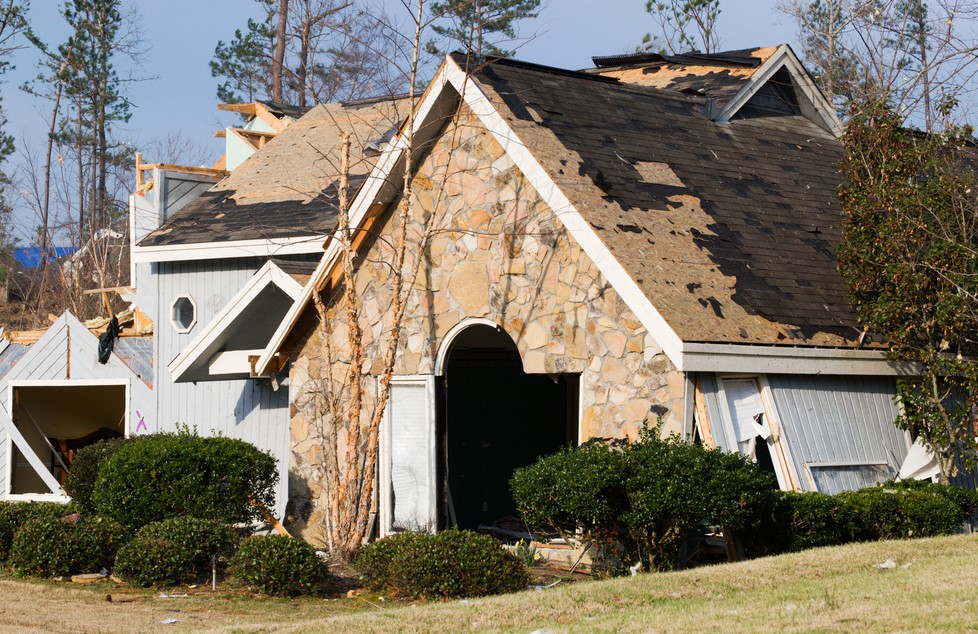
Colorado storms can move through quickly. Unfortunately, they can leave plenty of roof damage behind. Hail and strong winds are especially common along the Front Range.
For Columbine homeowners, the hard part is often figuring out what to do next. Did the storm actually damage your roof? Is the damage serious enough to file an insurance claim? And what happens once you call your insurance company?
If you’ve never filed a roof claim before, the process can feel confusing. Most homeowners only deal with it once every several years. Knowing what to expect can make things much easier.
Here’s a simple look at the process from start to finish.
Step 1: Document What You Can See
Once the storm has passed and it’s safe to go outside, take a look around your property. You don’t need to climb onto your roof.
Instead, take photos of anything you can see from the ground. Look for dents in gutters and downspouts. Damaged window screens can also be a sign that hail hit your property.
If you recently had your roof inspected or repaired, keep those records too. They can help show what condition your roof was in before the storm.
Step 2: Have Your Roof Professionally Inspected
Before filing a claim, consider having a roofing contractor take a closer look.
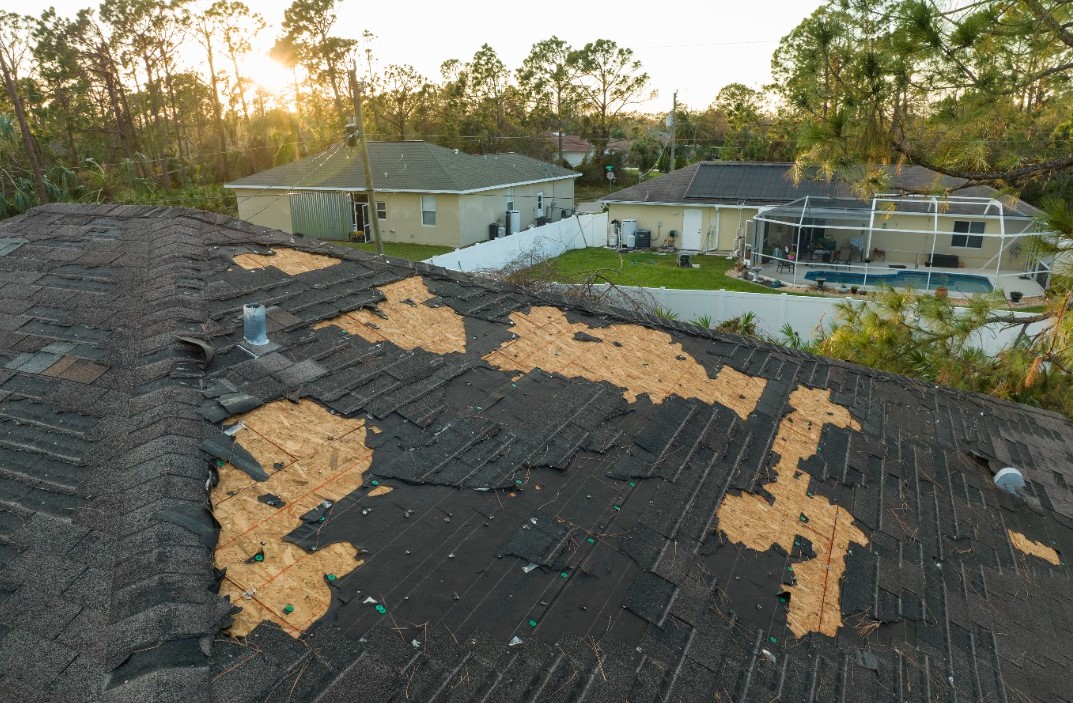
Storm damage isn’t always obvious. Hail can bruise shingles without immediately cracking them. That type of damage can be difficult to see from the ground.
A professional inspection can help determine whether there is actual storm-related damage. Your roofer can also take photos and document what they find. This gives you useful information to reference when you speak with your insurance company and adjuster.
Step 3: File Your Insurance Claim
If the inspection finds storm damage, the next step is contacting your insurance company.
Insurance policies usually have deadlines for reporting storm damage. The exact timeframe depends on your policy, so it’s a good idea to check your documents.
When filing, you’ll typically need the storm date and a basic description of the damage. You can also provide any photos or inspection documentation you’ve gathered.
Your insurance company will then assign an adjuster. They’ll schedule a time to inspect your property.
Step 4: Meet With the Insurance Adjuster
Your roofing contractor can often be present when the adjuster visits.
Having a roofer there can be helpful. They know what roof damage looks like and can point out areas of concern. This can be especially useful with subtle hail damage that may be harder to spot than obvious wind damage.
The adjuster will inspect the property and determine the scope of work. In simple terms, this outlines what the insurance company believes needs to be repaired or replaced.
Step 5: Understand ACV and RCV
You may hear the terms ACV and RCV during the claims process.
Actual Cash Value, or ACV, considers your roof’s age and condition. It pays based on the roof’s depreciated value at the time of the storm.
Replacement Cost Value, or RCV, is different. It generally covers the cost of replacing covered damaged areas at current prices, subject to your policy terms and deductible.
With many RCV policies, part of the payment is held back until the work is finished. This is called recoverable depreciation. Once the work is completed and documented, that remaining amount may be released.
Knowing which type of coverage you have can help you understand what to expect from your initial and final payments.
Step 6: Review the Insurance Scope
Once your insurance company provides its scope of work, have your roofing contractor review it too.
Sometimes an initial scope doesn’t include everything needed for the project. There may be code-required underlayment changes or ventilation work to consider. Storm-damaged gutters may also need to be addressed.
If something related to the covered damage was missed, your contractor can document it. When appropriate, they may also work with the adjuster on a supplemental claim.
Step 7: Schedule the Roof Work
Once the scope is settled, you can schedule the repair or replacement.
Timing will depend on the contractor and the season. After a major Colorado storm, roofing companies can get busy quickly. Outside peak storm season, scheduling may move faster.
Keep your invoices and completion documents once the work is finished. If you have an RCV policy with recoverable depreciation, your insurer may need proof of completion before releasing the remaining covered payment.
Frequently Asked Questions
How Long Do I Have to File a Roof Insurance Claim After a Colorado Storm?
It depends on your insurance policy. Some policies may require storm claims to be filed within a certain period, such as one year, while others may have different deadlines.
Check your individual policy for the exact requirements. If you’re unsure, contact your insurance company or agent sooner rather than later.
Will Filing a Claim Raise My Insurance Rates?
Weather-related claims, such as hail or wind damage, may be treated differently from claims involving homeowner negligence. However, there’s no single answer for how a claim will affect your rate.
Insurance companies consider different factors when setting premiums. Your agent can explain how a claim could affect your specific policy.
What if My Roofer and Insurance Adjuster Disagree?
It happens.
If your contractor finds damage that wasn’t included in the original insurance scope, they can document what they found. Depending on the situation and your insurer’s process, a reinspection or supplemental claim may be appropriate.
An experienced roofing contractor can help provide the documentation needed for the insurance company to review the additional damage.
Do I Have to Use the Insurance Company’s Preferred Contractor?
You generally have the ability to choose the roofing contractor you want to complete your project. You don’t have to automatically hire the contractor suggested by your insurance company.
Take your time choosing someone you trust. Look for a qualified contractor who understands Colorado roofing and has experience working with storm-damaged homes.
Not Sure if You Have a Roof Insurance Claim?
After a Colorado storm, you shouldn’t have to guess about the condition of your roof. Start by finding out whether there’s actually damage and what your options are.
If a recent storm hit your Columbine home, schedule a free roof inspection with our team. We’ll take a close look at your roof, document what we find, and explain the next steps. If there’s storm damage, you’ll have the information you need to decide whether filing an insurance claim makes sense. Have questions first? Get in touch with our team and we’ll be happy to help.